
The Art of Bouncing Back
Starting over is a survival strategy, not a failure

The hardest part of growth for me isn’t the actual growing. It’s the starting over.
There’s a very specific, heavy type of shame that lives in the reset, isn’t there? The kind that we use as an excuse to beat ourselves up. Again. Whether it’s a self-care habit we’re trying our hardest to build and just can’t seem to make it stick, a well-planned out cleaning routine that fell apart almost immediately, the creative projects that sit mocking us from our various doom piles, or just another extended period of time where we lost our motivation and inspiration, the “shoulds” start rolling in like fog from The Mist.
I should be further along by now. I should have been more consistent. I shouldn’t have let myself get to the point of burnout again. I should have known better.
We carry so much useless guilt for our off-seasons and downtime. We treat our setbacks as character flaws instead of just a necessary part of our natural cycle. If we aren’t constantly progressing (and noticeably, dang it!), we’re somehow failing at the very art of being a human. And that’s not our fault; hustle culture is constantly screaming it into our faces. Do more! Be more! Earn more! Go! Go! Go!
But the planet tells a different story: Nothing in nature blooms all year round. Nature sure as heck doesn’t apologize for dormancy. Plants don’t feel guilty for dropping their leaves or hunkering down in the cold. They just do what they need to do to protect themselves until the environment is right for them. Starting over isn’t a sign that we failed; it’s a sign that we are still here and still capable of trying, and trying again is way more badass than just never struggling, in my opinion.
So, if you’re feeling a little blah or stuck in the foggy Land of Shoulds, please don’t quit. And don’t be too hard on yourself. Taking a break isn’t a failure, and it’s certainly not the end of your story; it’s actually a brilliant, beautiful survival strategy practiced by basically all living things!
It’s a bit scary to start over, but we can do the scary things. I believe in us.
Stay kind. Stay curious <3
Nikki
Ever feel like you missed the window to start something new? The stars would like a word.
Scientists have long been puzzled by “blue stragglers”, stars that look and act decades younger than the “siblings” they were born with. A 2026 Hubble study just cracked the code on how they do it, and it has everything to do with partnerships and finding a quieter neighborhood.
Hey look! A cool plant!
The Resurrection Plant
(Selaginella lepidophylla)
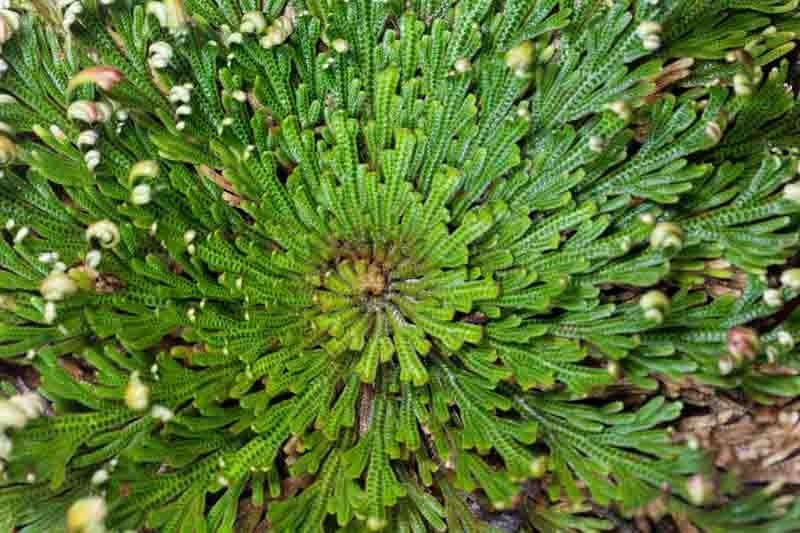
Why it’s cool: Native to the Chihuahuan Desert, the Resurrection Plant (also called the False Rose of Jericho) has mastered the art of bed rot. When the desert goes bone-dry, this plant doesn’t die; it tactically retracts. It curls its fronds into a tight, brown, crunchy ball, protecting its center from the sun and wind. It can stay in this dormant, lifeless-looking state for years, losing up to 95% of its water, just riding the terrain like a little travelin’ tumbleweed.
The moment it senses moisture, it unfurls. Within a few hours of being in water, those crispy brown branches turn a lush, vibrant green. This is possible because it uses a special sugar called trehalose to act like a cellular stabilizer, essentially freezing its cells in place so they don’t break while they’re dry. Isn’t that fascinating?
The Lesson: Sometimes, the most productive thing you can do is curl up and protect your core. We judge ourselves for our dry spells, when we feel uninspired, exhausted, or just meh.
But the Resurrection Plant reminds us that dormancy is a survival strategy, not a defeat. Curling up is never quitting; it’s preserving your precious energy until the environment is right. When the nourishment returns, through acts such as rest, addressing your physical health, or a little self-compassion, you will bounce back. You still have all that awesomeness saved up inside that quiet, protected ball just waiting to burst open and inspire awe!
Some things I found interesting and thought you might too
Science shows that experiencing wonder, like looking at a sunset or great art, quiets your inner critic and lowers stress for days.
Consistent mindfulness can actually make your brain appear nearly 6 years younger than your actual age. It’s the ultimate internal self-care routine.
New research on self-compassion proves that asking “How would I treat a friend right now?” could reduce suicidal ideation in adolescents.
You don’t have to be an artist to benefit from creating. Recent insights show that “micro-creative” acts such as doodling or gardening provide an instant mood boost.
It’s never too late to be who you might have been. – George Eliot